
While most patients visit the dentist to prevent cavities or whiten their smile, your oral healthcare provider is often the first line of defense against a far more silent threat: obstructive sleep apnea (OSA). At the Sleep Center of Colorado, we work closely with dental professionals who recognize that the mouth is a gateway to respiratory health. Your next routine cleaning could reveal life-saving clues about your sleep.
Sleep Apnea & Your Smile: Why Your Dentist Might Be the First to Save Your Life
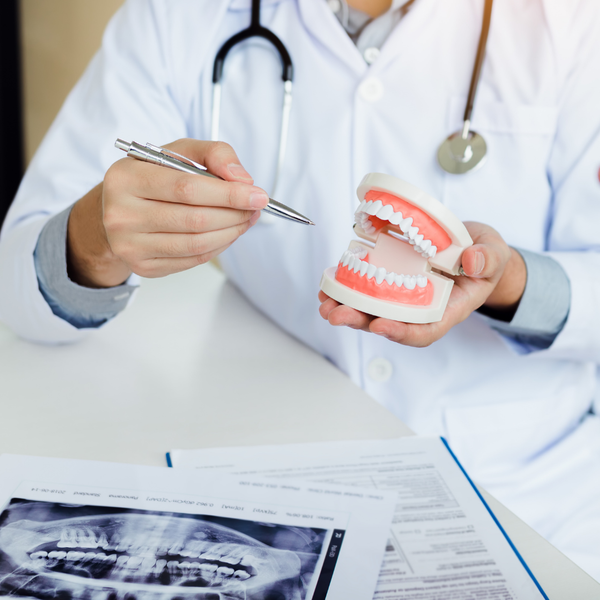
Bruxism and Teeth Grinding
Many people associate morning jaw pain and worn-down enamel with simple stress. However, nocturnal bruxism is frequently a survival mechanism. When the airway collapses during an apnea event, the body instinctively grinds the teeth and moves the jaw forward to reopen the throat. If your dentist notices flattened tooth surfaces, it may be your body’s desperate attempt to breathe.
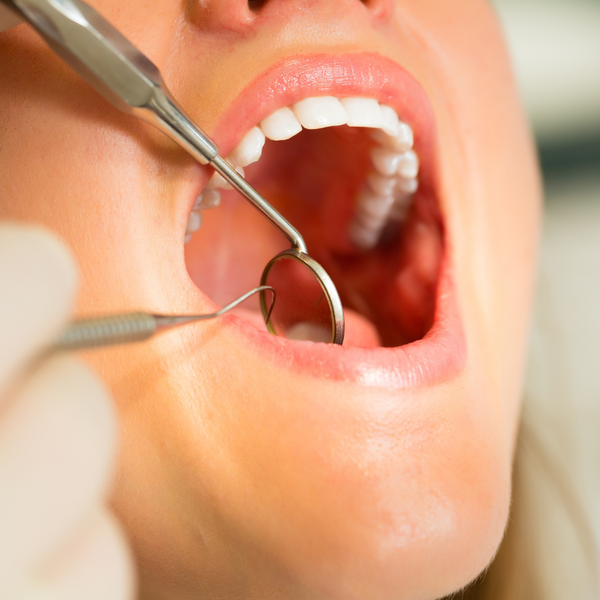
Scalloped Tongue and Airway Crowding
A "scalloped" tongue—where the edges have indentations from pressing against the teeth—is a major red flag for OSA. This occurs when the tongue is too large for the mouth or the jaw is underdeveloped, forcing the tongue backward into the airway during sleep. Dentists trained in sleep medicine can identify this anatomical risk factor long before you experience daytime fatigue.

Chronic Dry Mouth and Decay
Sleep apnea often forces individuals to breathe through their mouths to compensate for restricted airflow. This persistent mouth breathing dries out protective saliva, leading to an acidic oral environment. A sudden increase in cavities, inflamed gums, or chronic bad breath can be a clinical sign that your nocturnal breathing is compromised.

Fragmented Sleep and Oral Inflammation
The systemic inflammation caused by the oxygen deprivation of sleep apnea often manifests in the gums. Periodontal disease has been linked to OSA, as the body’s inflammatory response is heightened by constant sleep fragmentation. Treating the underlying sleep disorder often leads to better outcomes for your gum health and overall cardiovascular system.
Beyond the Chair: Take Action
Your dentist can spot the symptoms, but a definitive diagnosis is the next step toward health. If your dental provider has noticed these signs, visit the Sleep Center of Colorado to schedule a professional sleep evaluation and protect your smile and your life.