It’s a common household debate: is that loud nightly noise just a nuisance, or is it a medical emergency? While nearly half of adults snore occasionally, not all of them suffer from a sleep disorder. However, distinguishing between simple snoring and obstructive sleep apnea (OSA) is critical for your health. Before you buy another over-the-counter snoring remedy, you need to know what to look for.
Snoring vs. Sleep Apnea: How to Tell the Difference
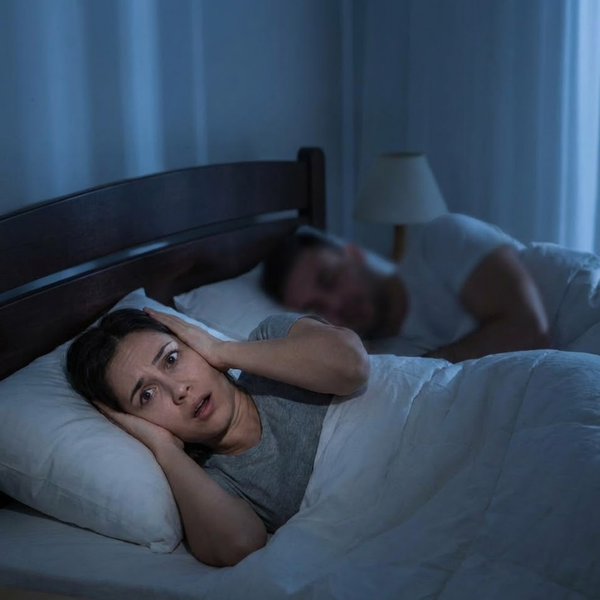
The Sound Profile: Rhythmic vs. Erratic
Normal snoring is usually rhythmic and steady—a continuous rumble caused by air flowing past relaxed tissues in your throat. Sleep apnea sounds different. It is often louder and, more importantly, erratic. If the snoring is punctuated by gasping, choking, or snorting sounds as you struggle to breathe, that is a major warning sign of apnea, not just a noise complaint.
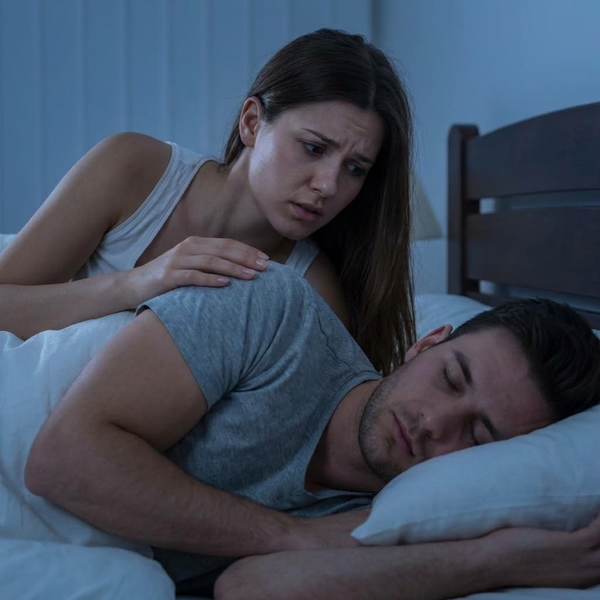
The Silent Pause
The most terrifying difference between the two is silence. A simple snorer will make noise continuously while sleeping. An apnea patient will actually stop breathing for seconds—sometimes up to a minute—followed by a sudden gasp for air. If a partner has witnessed you stop breathing during the night, no drugstore snoring remedy will fix it. You need a medical evaluation immediately.
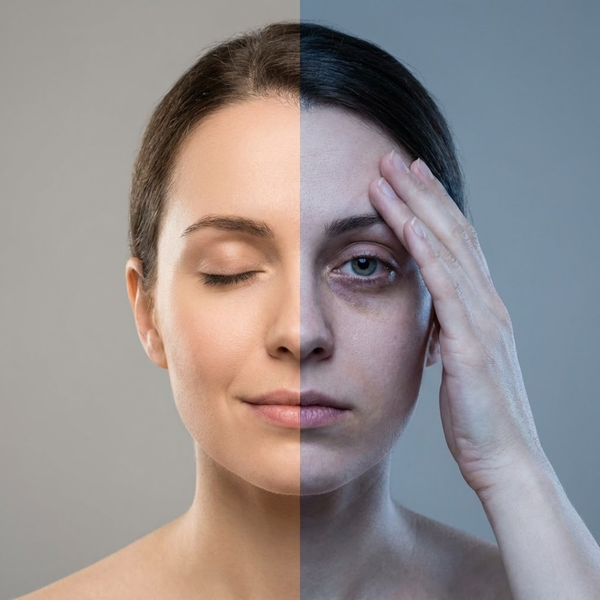
How You Feel in the Morning
A heavy snorer might wake up with a dry mouth or a sore throat, but they generally feel rested. Conversely, sleep apnea prevents you from entering deep, restorative sleep stages. If you are waking up with a headache, feeling irritable, or suffering from excessive daytime drowsiness despite a full night in bed, your body is likely fighting for oxygen all night long.

The Risks of Ignoring the Difference
Simple snoring is mostly a social annoyance, but untreated sleep apnea is a serious health risk linked to high blood pressure, heart disease, and stroke. Relying on a generic snoring remedy to mask the noise can be dangerous if it delays diagnosis. At the Sleep Center of Colorado, we can help you determine the root cause and provide effective, comfortable oral appliance therapy.
SCHEDULE AN APPOINTMENT
Don't gamble with your health by guessing. If you recognize the signs of sleep apnea—the gasping, the pauses, or the chronic fatigue—it is time to put the gadgets away and see a specialist. Contact the Sleep Center of Colorado today to schedule a screening. We will help you find the difference between a noisy night and a life-threatening condition.