
Many Americans rely on a midday caffeine boost to power through the afternoon slump. However, for those suffering from obstructive sleep apnea (OSA), that second or third cup of coffee often provides diminishing returns. At the Sleep Center of Colorado, we help patients break the "tired wired" cycle by addressing the root cause of their exhaustion rather than masking it with stimulants.
The 'Tired Wired' Cycle: Why Sleep Apnea Makes Your Afternoon Coffee Less Effective
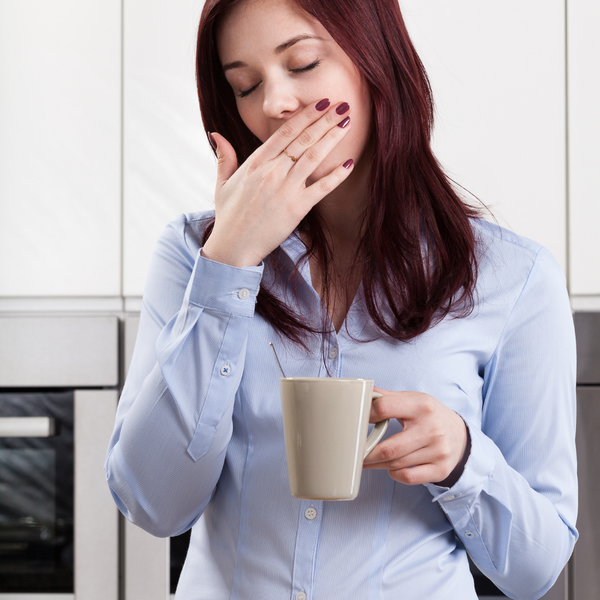
The Adenosine Blockade Failure
Caffeine works by blocking adenosine, a chemical in the brain that signals sleepiness. Throughout the day, adenosine builds up, creating "sleep pressure." When you have sleep apnea, your body never fully clears this adenosine due to fragmented sleep cycles. Caffeine eventually hits a ceiling where it can no longer compete with the overwhelming biological drive for rest, leaving you feeling jittery yet exhausted.
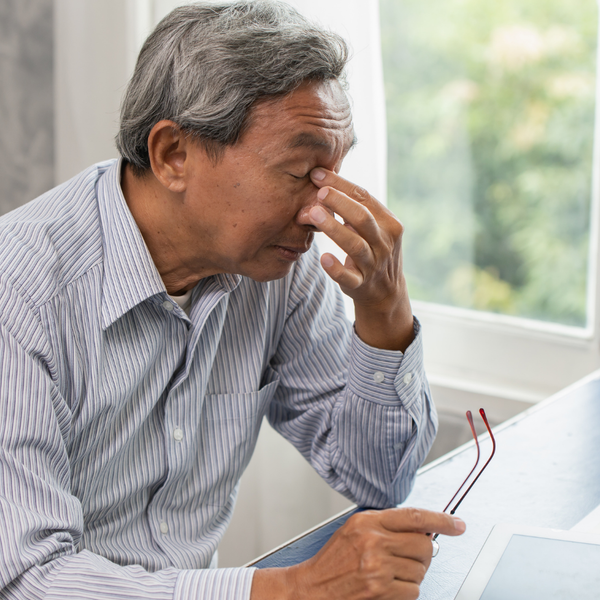
Adrenal Fatigue and Cortisol Spikes
Sleep apnea triggers a "fight or flight" response every time breathing stops. This puts your adrenal glands in overdrive, spiking cortisol levels throughout the night. By the time the afternoon rolls around, your system is chemically depleted. Adding caffeine to this stressed state creates a "tired wired" feeling, where your heart rate is elevated, but your cognitive focus remains dangerously low.
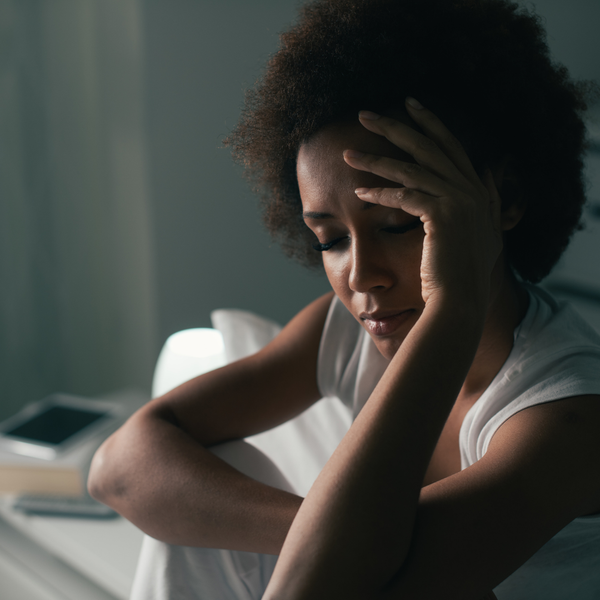
Masking the Underlying Oxygen Deprivation
Caffeine can improve alertness, but it cannot fix the cellular damage caused by nocturnal hypoxia (low oxygen). If your brain isn't receiving consistent oxygen during the night, no amount of espresso can restore the executive function and mental clarity lost to apnea. You aren't just "sleepy"; your brain is physically struggling to recover from repetitive nightly trauma.
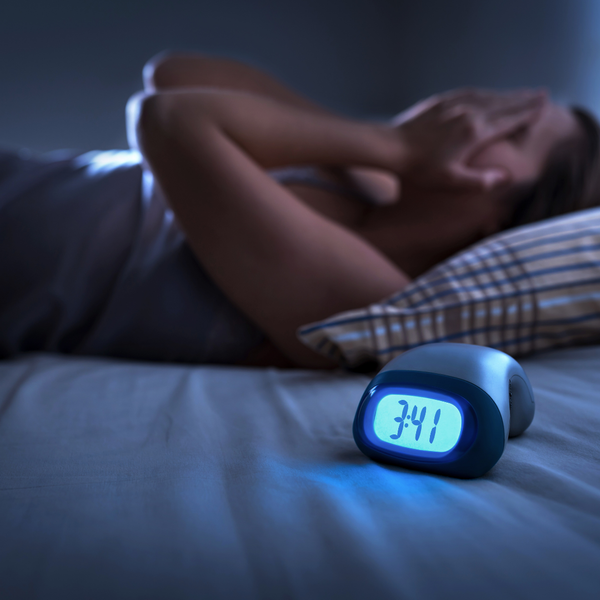
The Vicious Cycle of Sleep Fragmentation
Relying on afternoon coffee often backfires by further disrupting the next night's sleep. Caffeine has a half-life of about six hours, meaning that 4:00 PM latte is still in your system at 10:00 PM. For an apnea patient already struggling to stay in deep sleep, this residual caffeine makes it even harder for the body to reach the restorative stages of rest.
Wake Up Refreshed Without the Extra Cup
If your coffee has stopped working, it’s time to stop chasing the buzz and start healing your sleep. Real energy comes from consistent breathing, not a bean. Visit the Sleep Center of Colorado to reclaim your natural vitality and break the cycle for good.