
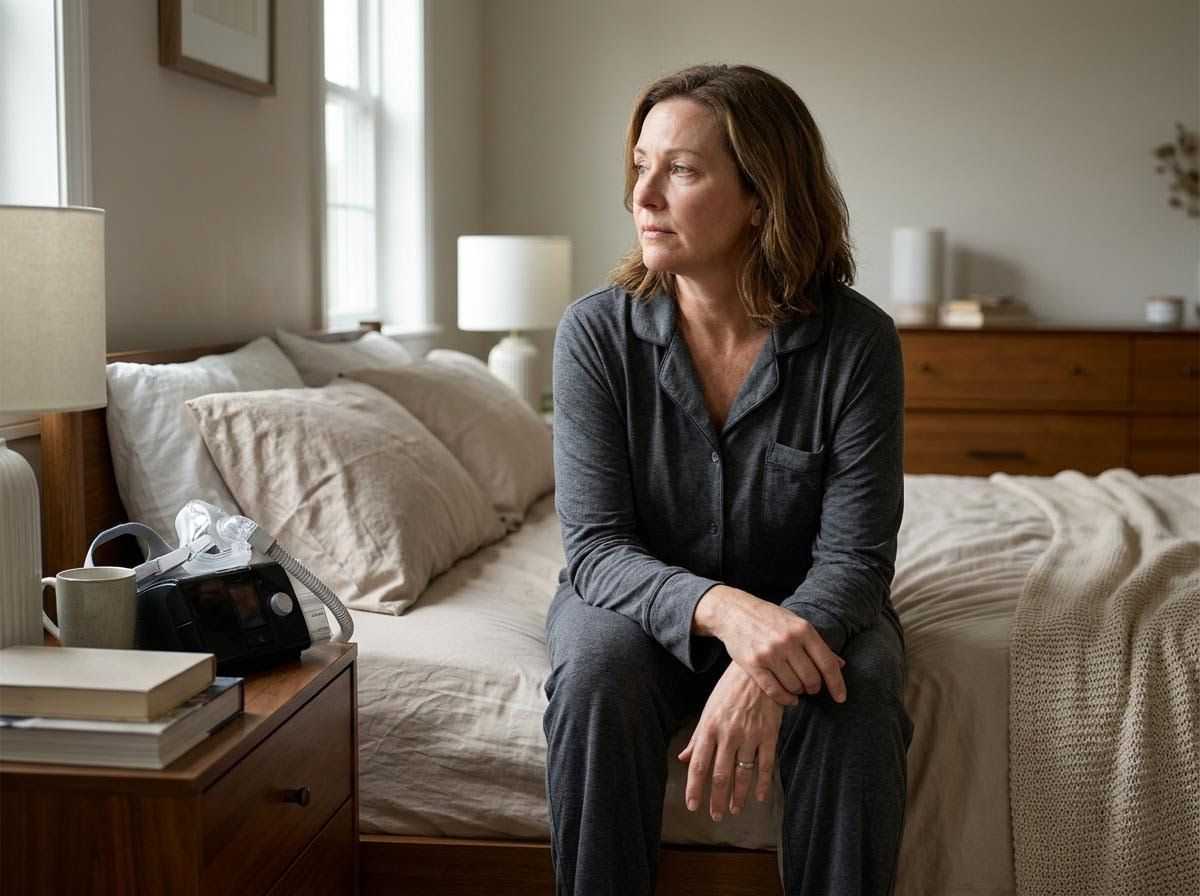
For many struggling with consistent, restorative sleep, the CPAP machine is a well-known intervention, often providing crucial relief for sleep apnea. However, if you find yourself still feeling exhausted despite adhering to your CPAP therapy, it’s a sign that your sleep challenges might stem from more than just obstructed breathing. At Sleep Center of Colorado, we understand that achieving true rest can be a complex journey, and sometimes, the solution lies in looking beyond the most obvious fix.
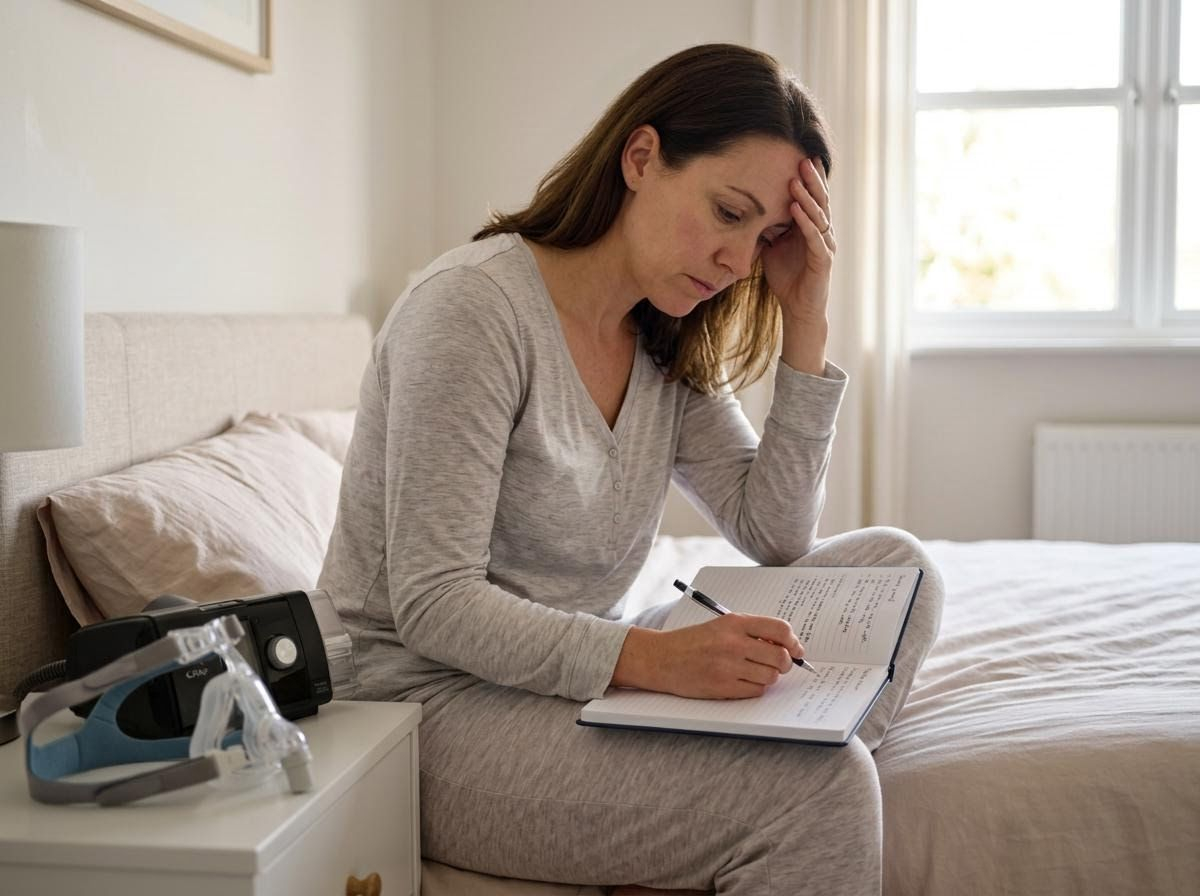
When CPAP Isn't The Full Story
While a CPAP machine effectively addresses obstructive sleep apnea by keeping your airway open, it’s important to remember that sleep disorders are multifaceted. If your CPAP compliance is good, but your fatigue persists, it suggests other factors are at play. This isn't a failure of the machine itself, but rather an indication that your sleep health puzzle has more pieces than just airway obstruction. For some, issues like mask discomfort, air leaks, or simply the presence of the device can also inadvertently disrupt sleep, creating new challenges even as it solves others.
Unmasking Other Sleep Disorders
Beyond sleep apnea, a range of other sleep disorders can significantly impair your ability to get quality rest. Conditions like insomnia, characterized by difficulty falling or staying asleep, are incredibly common and won't be resolved by CPAP therapy alone. Restless Legs Syndrome (RLS) can cause uncomfortable sensations and an irresistible urge to move your legs, disrupting sleep throughout the night. Narcolepsy or idiopathic hypersomnia can lead to excessive daytime sleepiness, regardless of how many hours you spend in bed. Circadian rhythm disorders, which throw off your internal body clock, can also leave you feeling out of sync and perpetually tired. Identifying these underlying issues is crucial for finding the right treatment path.

The Impact of Lifestyle and Underlying Health
Your sleep quality is also profoundly influenced by a variety of lifestyle factors and other health conditions that a CPAP machine cannot address. Chronic stress, poor dietary habits, lack of consistent physical activity, and inconsistent sleep schedules can all contribute to fragmented and unrefreshing sleep. Furthermore, underlying medical conditions such as thyroid disorders, chronic pain, gastroesophageal reflux disease (GERD), anxiety, or depression can severely disrupt sleep patterns. Even certain medications can have side effects that interfere with sleep. A holistic approach that considers these elements is often essential for truly decoding your sleep struggles.
The Path to Comprehensive Sleep Solutions
Understanding that sleep issues can be complex and multi-layered is the first step toward finding lasting relief. When CPAP isn't providing the full solution, it highlights the need for a broader evaluation. A comprehensive assessment allows medical professionals to look beyond just one symptom or one disorder, considering all potential contributing factors to your fatigue and poor sleep. This detailed approach can pinpoint the true causes, whether they are other sleep disorders, lifestyle challenges, or underlying health conditions, paving the way for targeted and effective treatment plans.
If you're using a CPAP machine but still waking up tired, or if you've explored various options without success, it's a clear signal to delve deeper into your sleep health. At Sleep Center of Colorado, we specialize in comprehensive diagnostics and personalized treatment plans that extend beyond conventional approaches. To understand the full spectrum of solutions available for your unique sleep challenges, we encourage you to learn more about our advanced diagnostic services and specialized therapies.