
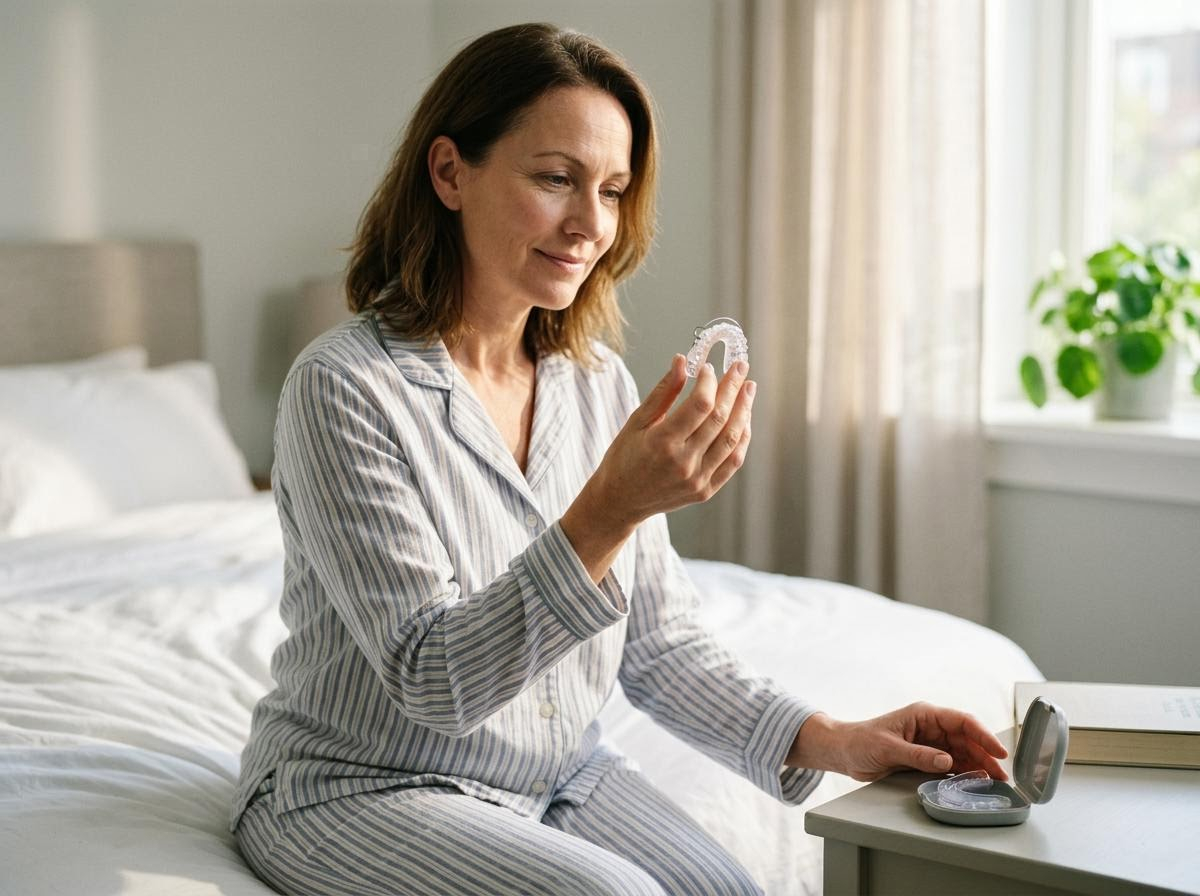
For many adults struggling with nightly disruptions and the exhaustion of obstructive sleep apnea, the traditional CPAP machine isn't always the comfortable or effective solution they hoped for. If you've found yourself searching for alternatives, oral appliance therapy might be the life-changing answer you need. At Sleep Center of Colorado, we understand the profound impact of restorative sleep on your overall well-being, and we're here to guide you through personalized options. This blog post will explore the different types of oral appliance therapy, offering a compassionate, solution-oriented approach to reclaiming your nights.
Understanding Oral Appliance Therapy (OAT)
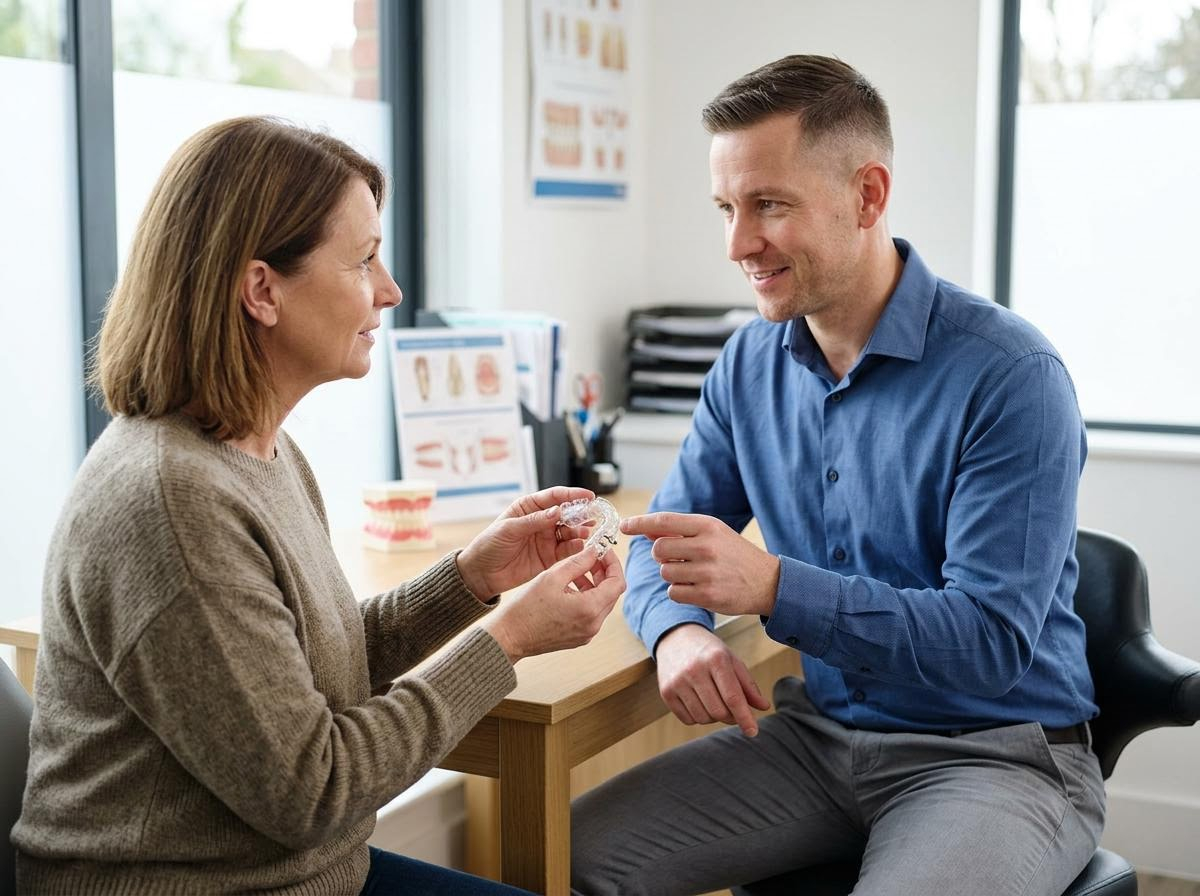
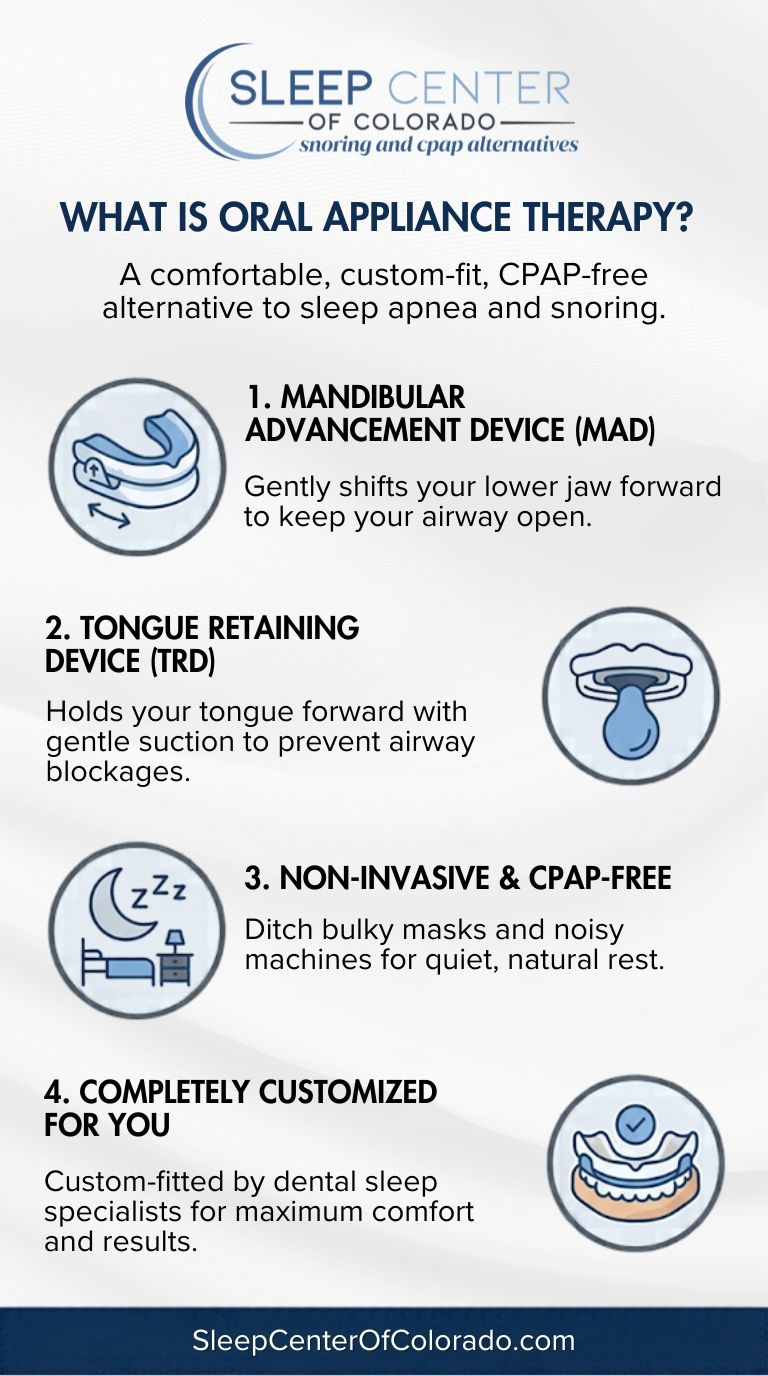
Oral appliance therapy is a specialized treatment for obstructive sleep apnea that uses a custom-fitted device, similar to a mouthguard or orthodontic retainer, worn only during sleep. Unlike a CPAP machine, which uses air pressure to keep airways open, OAT works by physically repositioning the lower jaw or tongue. This gentle adjustment helps maintain an open, unobstructed airway, preventing the collapses that lead to snoring and sleep apnea events. These devices are discreet, portable, and often preferred by individuals who find CPAP cumbersome or noisy, providing a comfortable and effective alternative.
Mandibular Advancement Devices (MADs)
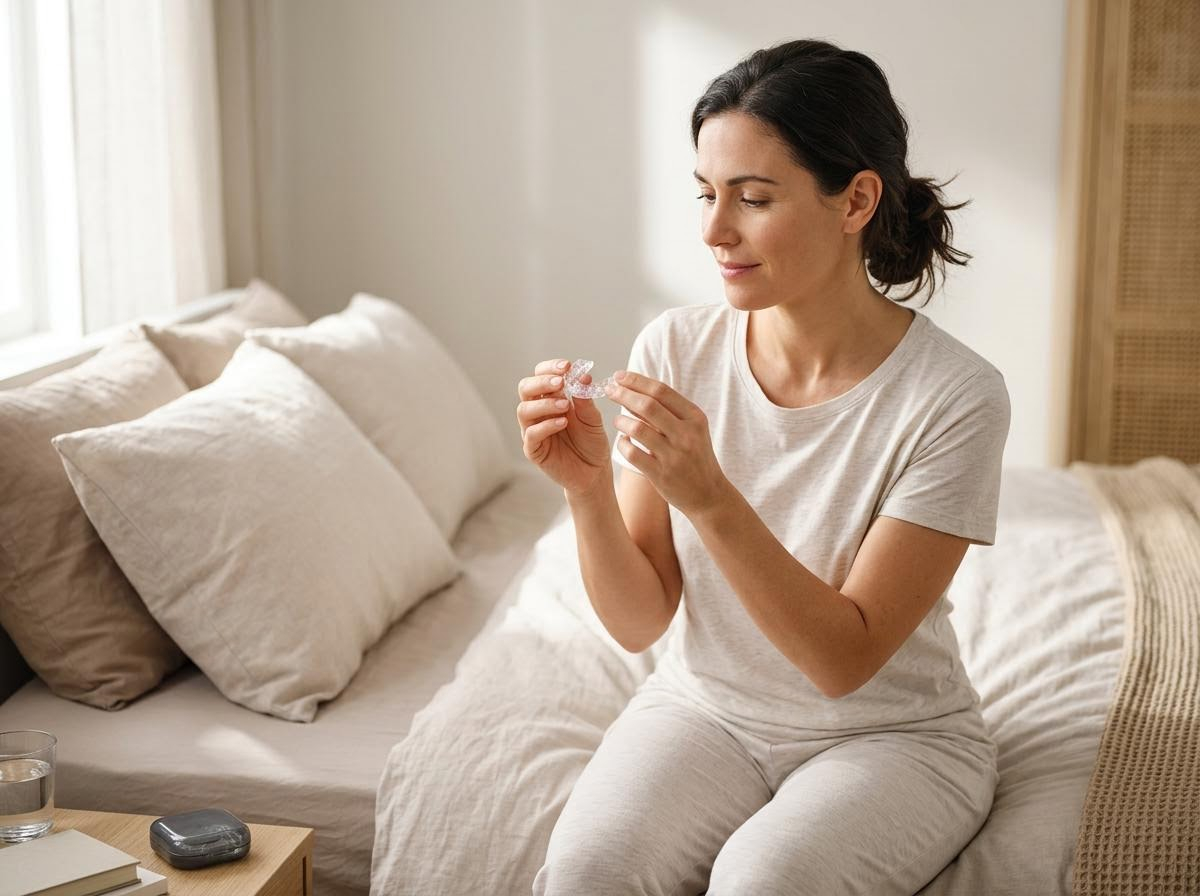
The most common type of oral appliance is the Mandibular Advancement Device, or MAD. These custom-made appliances work by gently holding the lower jaw in a slightly forward position while you sleep. This forward movement also brings the base of the tongue forward, increasing the space in the back of the throat and preventing soft tissues from collapsing and blocking the airway. MADs are highly effective for treating mild to moderate sleep apnea and are often considered a first-line treatment for those who cannot tolerate CPAP. Your specific MAD will be precisely calibrated by a dental sleep medicine specialist to ensure maximum comfort and efficacy.
Tongue Retaining Devices (TRDs)
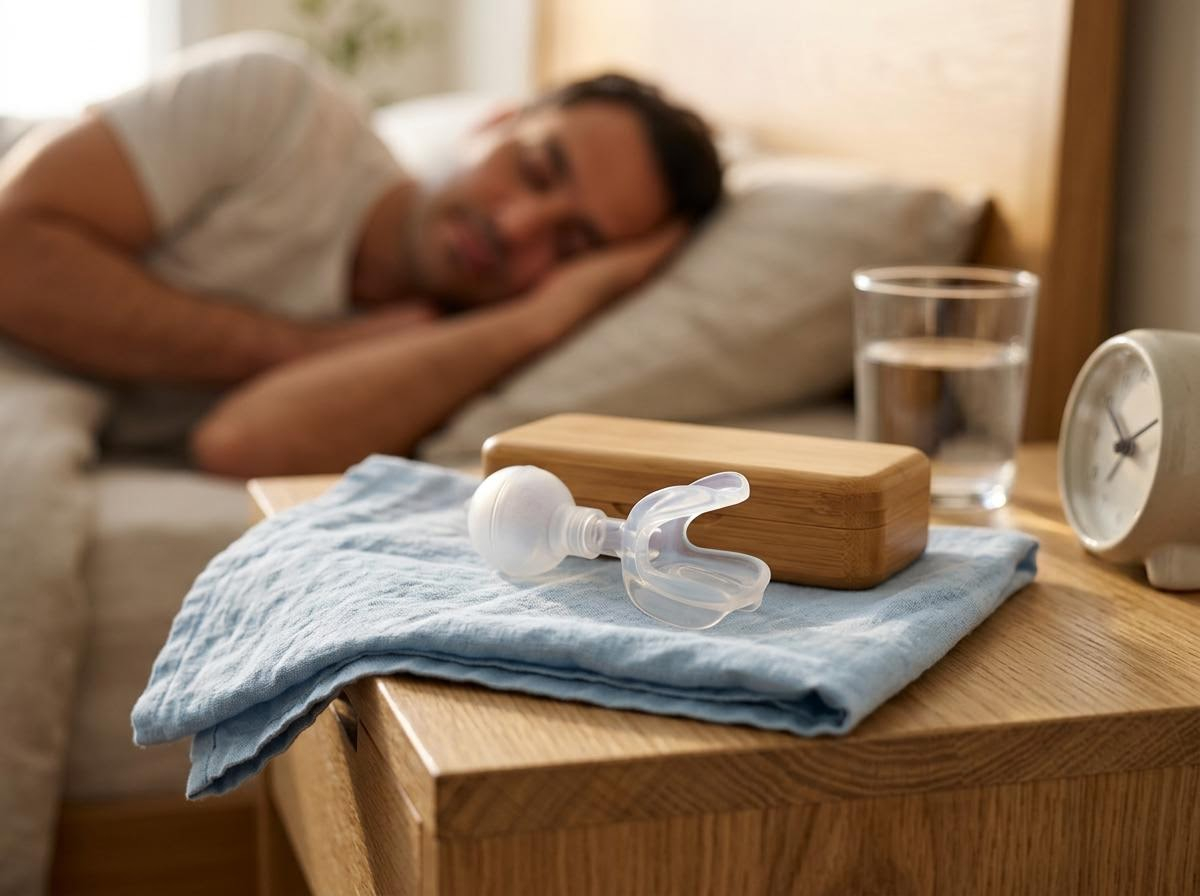
Another type of oral appliance therapy is the Tongue Retaining Device, or TRD. While less common than MADs, TRDs offer a valuable alternative for individuals who may not be suitable for or cannot tolerate a MAD. Instead of advancing the entire jaw, a TRD works by holding the tongue in a forward position using a small suction bulb. This prevents the tongue from falling back into the throat and obstructing the airway during sleep. TRDs can be particularly beneficial for those with specific dental conditions, jaw joint issues, or no remaining teeth, providing another pathway to managing sleep apnea and restoring restful nights.
Reclaiming Your Sleep
Embracing oral appliance therapy can be a restorative and truly life-changing step for those seeking an effective alternative to CPAP for managing their sleep apnea. These custom-fit devices offer a comfortable and often preferred path to open airways and uninterrupted sleep, allowing you to wake feeling refreshed and energized. If you're exploring options beyond CPAP or suspect you might have sleep apnea, understanding your condition is key. We invite you to consider taking a quick sleep apnea quiz or discussing your symptoms with an expert. To learn more about whether oral appliance therapy is right for you and to request an appointment for a personalized consultation, contact Sleep Center of Colorado today.