
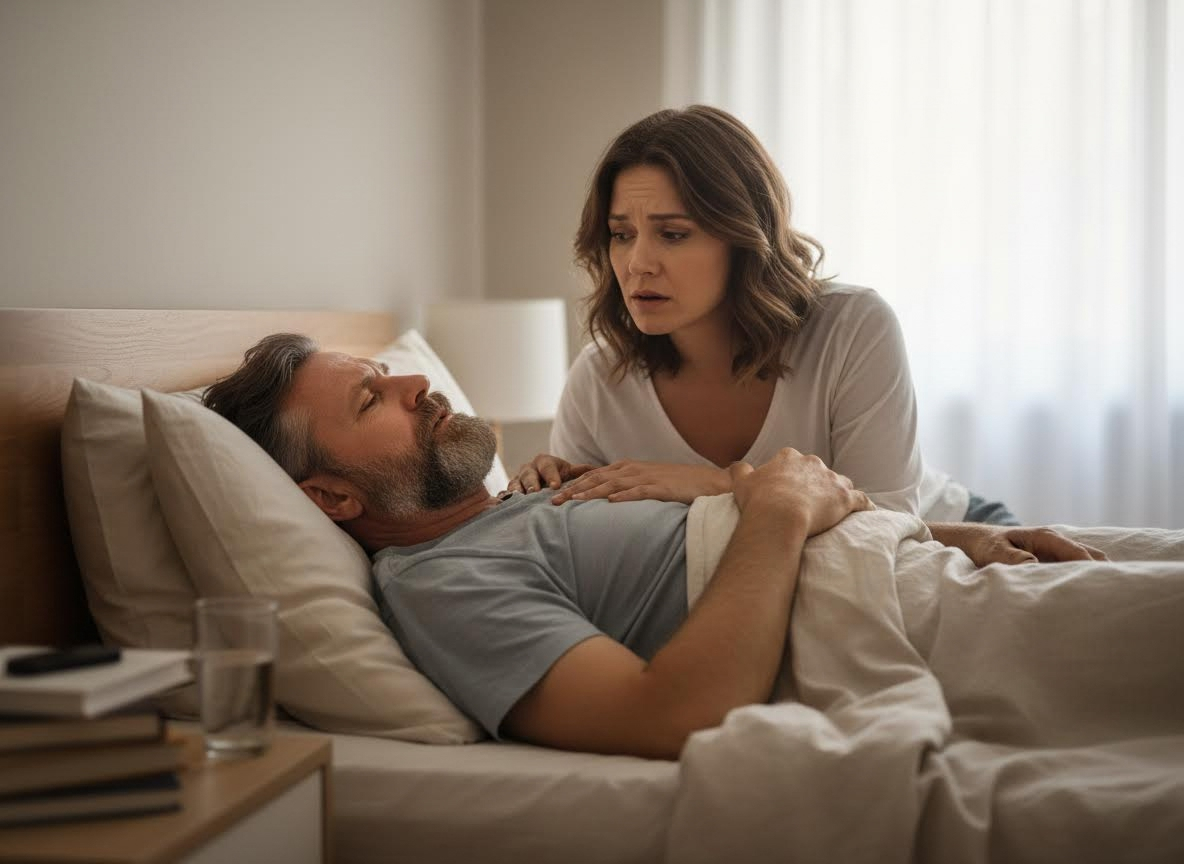
Many adults find themselves restless at night, waking up tired, or struggling with inexplicable daytime fatigue. These could be indicators of sleep apnea, a common but serious sleep disorder. Understanding the signs and symptoms is the first step toward better rest and overall health. At Sleep Center of Colorado, we help countless individuals identify and address their sleep challenges to improve their quality of life.
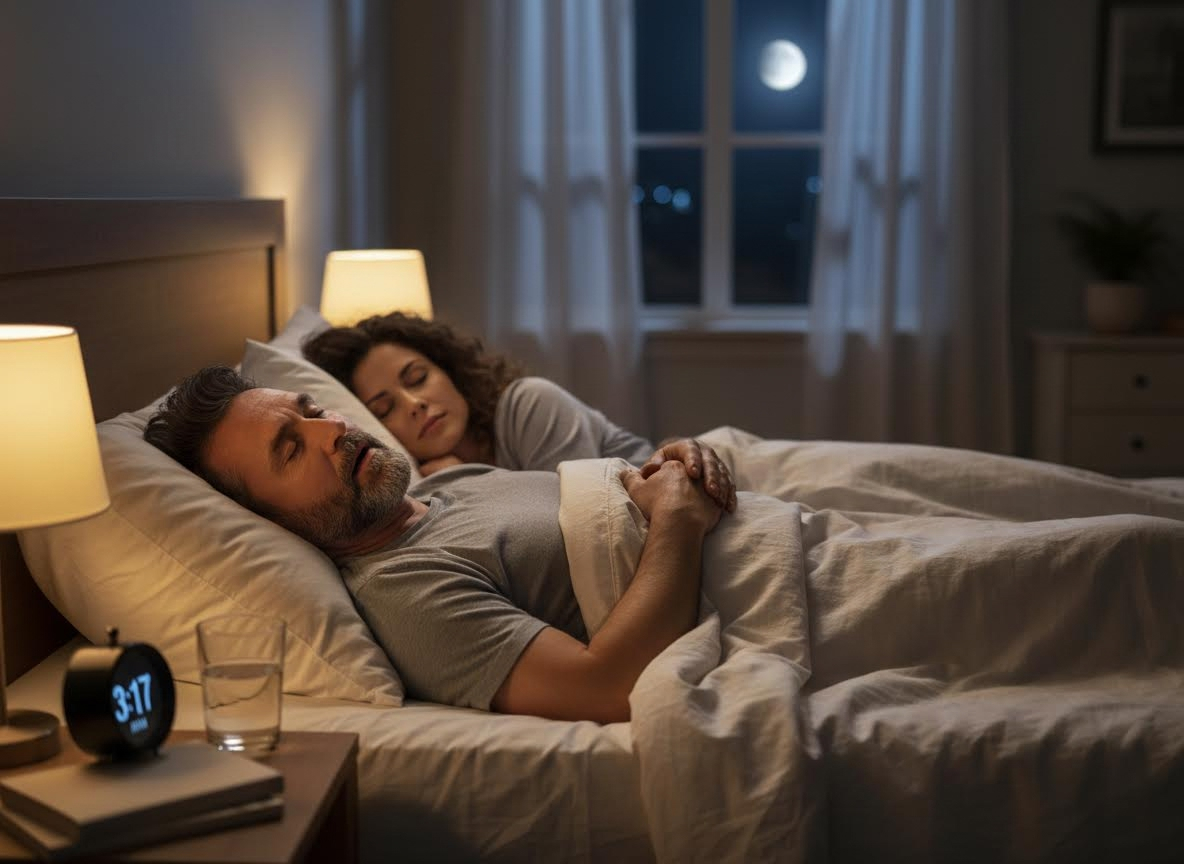
Nighttime Red Flags: What Happens While You Sleep?
Sleep apnea often manifests with clear indicators during the night, though you might not be aware of them yourself. One of the most common and noticeable signs is loud, chronic snoring, which is often reported by a bed partner. This isn't just a nuisance; it can be a significant symptom requiring a snoring remedy. Beyond snoring, individuals with sleep apnea may experience gasping or choking sensations during sleep, pauses in breathing, or restless sleep characterized by frequent awakenings. Waking up with a dry mouth or sore throat can also be a subtle clue. These disruptions prevent your body from entering deep, restorative sleep cycles.
Daytime Indicators: How Sleep Apnea Affects Your Waking Hours
The impact of sleep apnea doesn't stop when you wake up; it carries into your daily life. Persistent daytime sleepiness, even after what felt like a full night's rest, is a hallmark symptom. This can lead to difficulty concentrating, impaired memory, and decreased productivity at work or home. Other common daytime signs include morning headaches, irritability, mood changes, and even falling asleep during routine activities like watching TV or driving. These symptoms can significantly diminish your quality of life and pose risks to your safety.
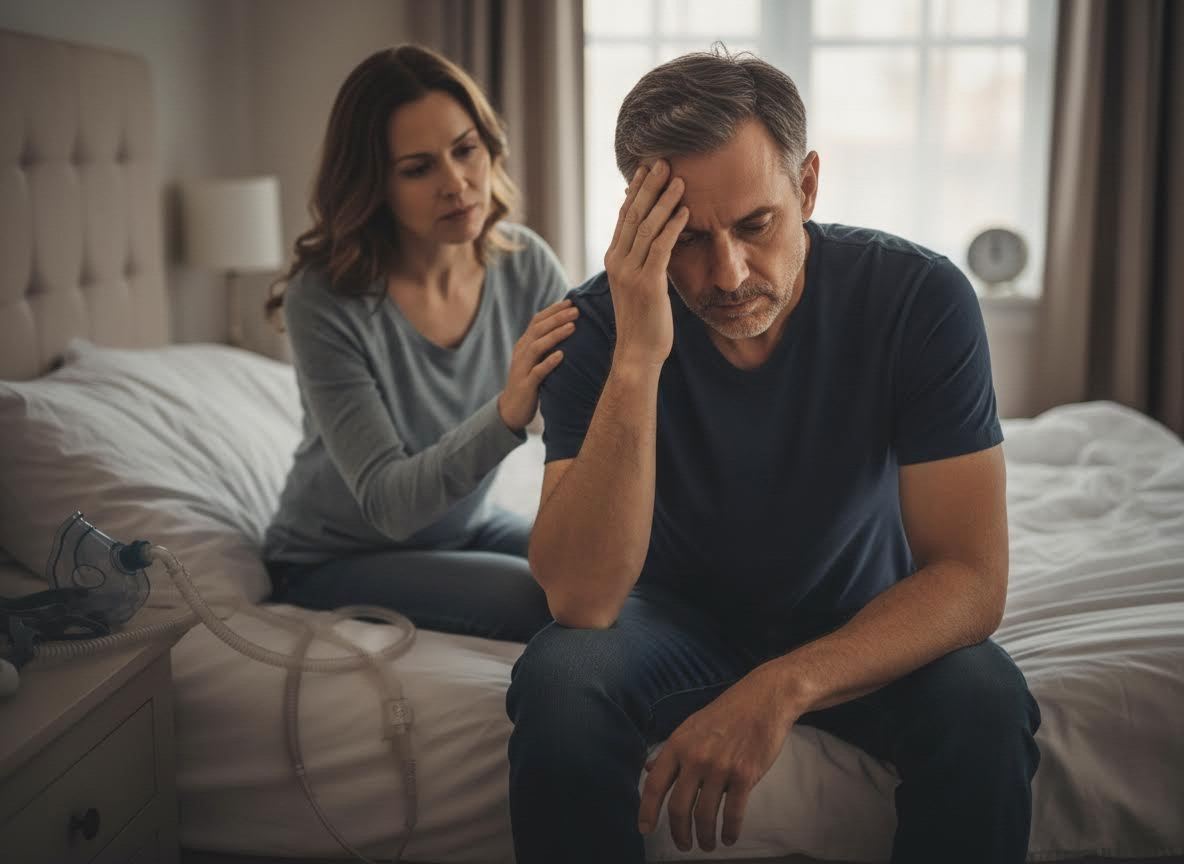
When Standard Solutions Fall Short: Considering a CPAP Alternative
For many, a CPAP machine is the first line of defense against sleep apnea. However, we understand that for some, CPAP might not be a comfortable or effective long-term solution, or perhaps it has simply failed to alleviate their symptoms entirely. If you've tried CPAP and are still experiencing significant daytime fatigue, snoring, or other sleep apnea symptoms, it's crucial to explore why. Sometimes, the issue isn't the diagnosis itself, but the suitability of the sleep apnea treatment. There are many advancements in sleep medicine, and exploring a cpap alternative could be the answer to finally achieving restful sleep and improving your overall health.
Recognizing the signs of sleep apnea is crucial for your health and well-being. If you suspect you or a loved one might be experiencing these symptoms, seeking professional guidance is an important step towards effective sleep apnea treatment. Learning more about diagnosis options, such as a sleep study near me, and connecting with a qualified sleep doctor Denver can illuminate your path to restorative sleep. Contact Sleep Center of Colorado to learn about comprehensive evaluations and personalized care plans designed to help you regain control of your sleep.