
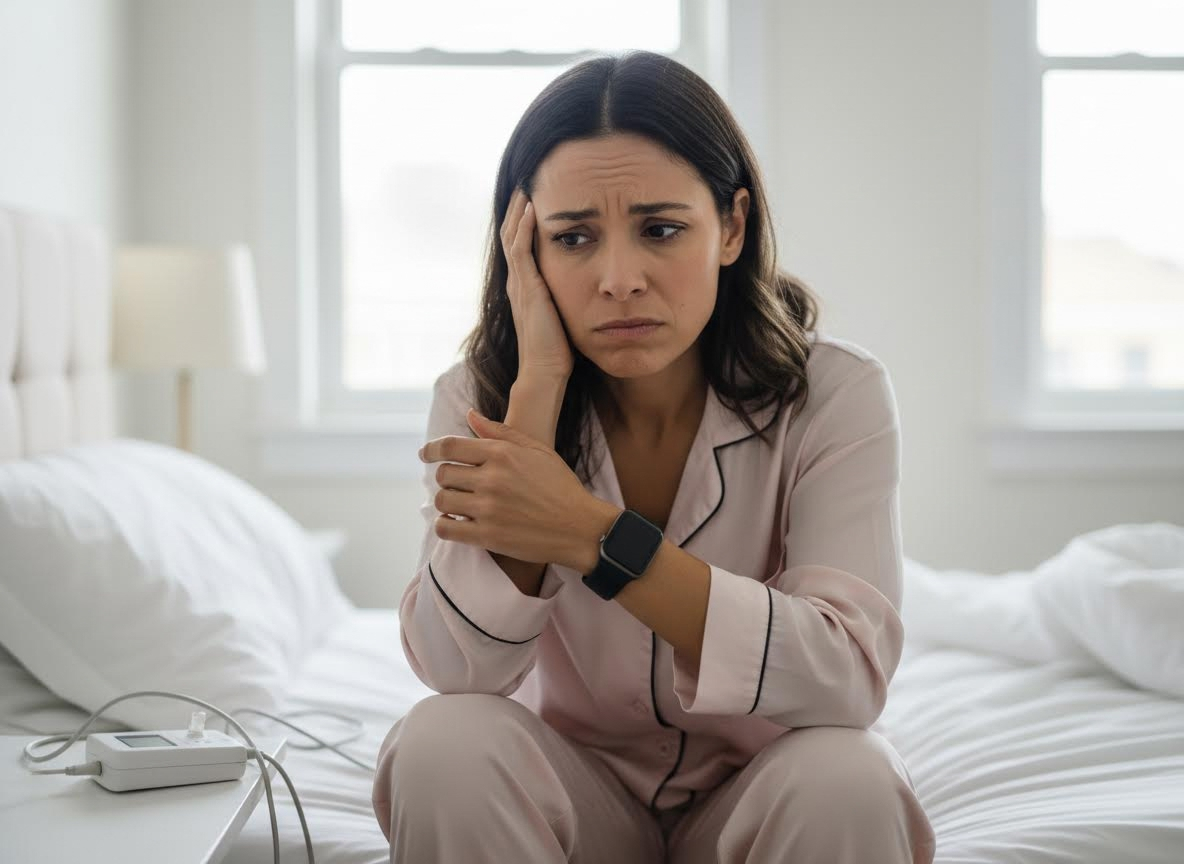
Many adults are turning to smartwatches and at-home testing devices to better understand their sleep patterns. While these tools offer convenience and can provide helpful insights into general sleep trends, it's crucial to understand their limitations, especially when it comes to diagnosing complex conditions like sleep apnea. At Sleep Center of Colorado, we recognize that while these technologies are a starting point, they may not always paint the full picture required for effective sleep apnea treatment.
The Promise vs. The Reality of Wearable Tech for Sleep
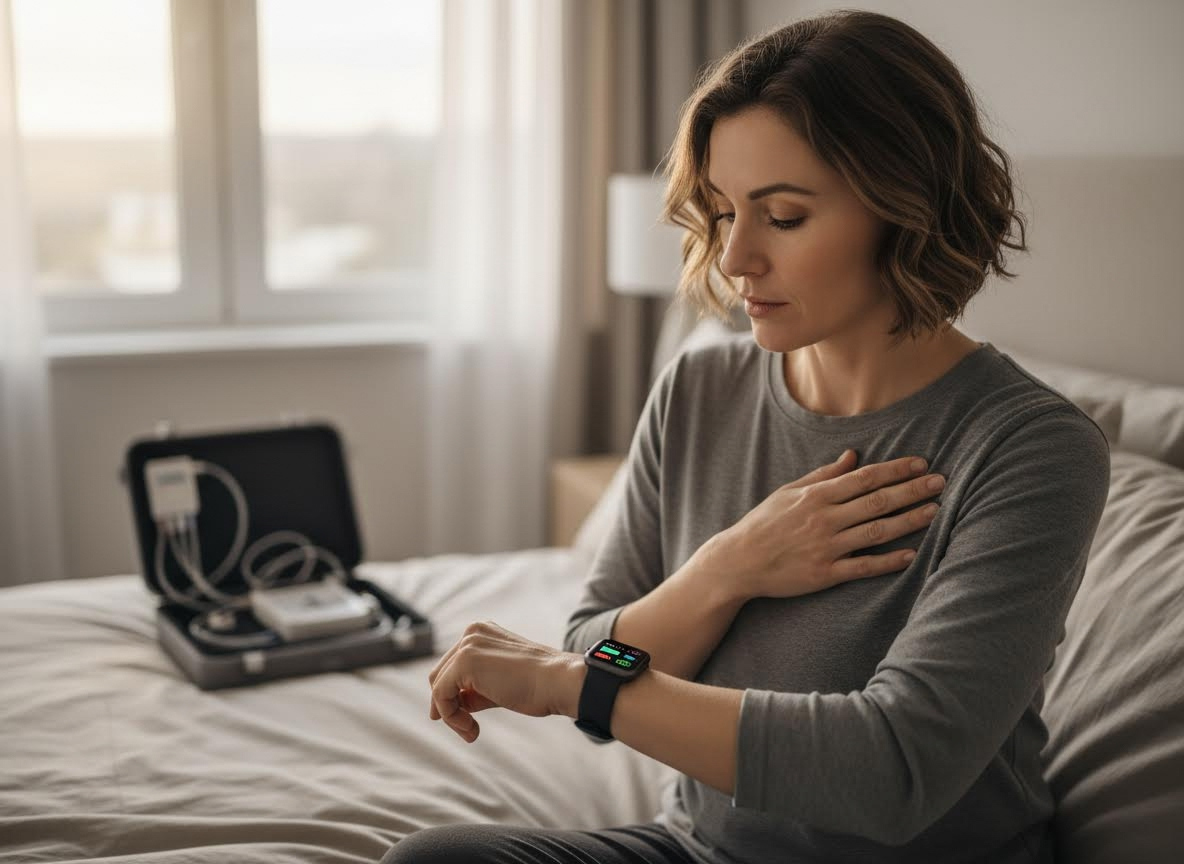
Smartwatches and other wearable devices are excellent for tracking general sleep metrics like duration, wake-ups, and even some stages of sleep through heart rate and movement. However, their primary function is not medical diagnosis. When it comes to sleep apnea, these devices typically lack the sophisticated sensors needed to accurately measure key indicators such as respiratory effort, airflow, and brainwave activity. They can flag potential issues like disturbed sleep or low oxygen levels if equipped with an oximeter, but they cannot definitively diagnose the type or severity of sleep apnea. Relying solely on these for a diagnosis could mean missing the underlying problem, which is why a professional assessment is vital.
Understanding the Scope of Home Sleep Apnea Tests
Home Sleep Apnea Tests (HSATs) offer a step up from basic wearables and are often prescribed as an initial screening tool. These devices typically monitor breathing patterns, oxygen saturation, and sometimes heart rate or body position during sleep. While effective for diagnosing many cases of moderate to severe obstructive sleep apnea, they have their own limitations. HSATs may not detect central sleep apnea, complex sleep apnea, or other co-existing sleep disorders. They also rely heavily on the patient's ability to use the equipment correctly and can produce false negatives if the test night isn't typical or if the apnea is positional or mild. A negative home test doesn't always mean you're in the clear, especially if you continue to experience symptoms like persistent snoring remedy needs, daytime fatigue, or restless sleep.
The Gold Standard: Why a Professional Sleep Study Matters
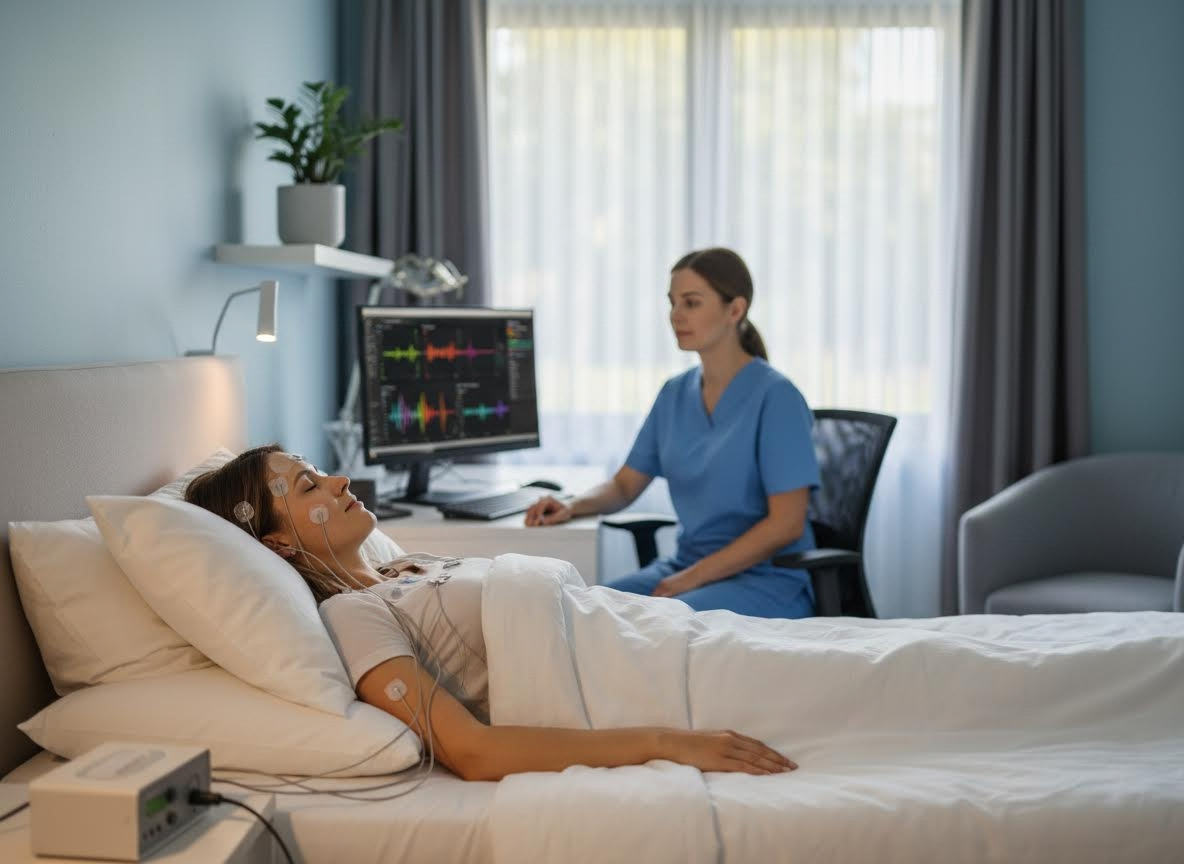
For an accurate and comprehensive diagnosis, a professional sleep study, known as polysomnography, remains the gold standard. Conducted either in a dedicated sleep center or, in some cases, with advanced home equipment under strict medical supervision, this study monitors a much wider array of physiological parameters. This includes brain activity (EEG), eye movements (EOG), muscle activity (EMG), heart rhythm (ECG), breathing effort, airflow, oxygen levels, and body position. A detailed sleep study provides a full picture of your sleep architecture and any disturbances, allowing a qualified sleep doctor Denver to precisely identify the type, severity, and specific characteristics of your sleep apnea. This detailed information is crucial for tailoring the most effective sleep apnea treatment plan, especially if initial therapies or a cpap alternative are being considered. If you're looking for a sleep study near me, understanding the depth of evaluation is key.
While smartwatches and home tests can be valuable tools for initial awareness and monitoring, they are not substitutes for a definitive medical diagnosis of sleep apnea. The complexity of sleep disorders often requires a more thorough evaluation to ensure accurate identification and the most appropriate sleep apnea treatment. To gain a complete understanding of your sleep health and explore comprehensive diagnostic options, we invite you to learn more about the services offered at Sleep Center of Colorado.